
 EN
EN
Thanks to high-resolution printers and scanners, it has become simple to forge documents. It is only a few minutes for a criminal to scan a true document and reproduce a replica of the document in computer after which it may be scanned to produce a realistic image. Paper is not proof against this method. Security document paper is produced specifically to guard against digital copying of security features. By understanding how security papers work, organizations may now be able to safeguard their diplomas, certificates and official documents against the rising risk of digital forgery.
Why Scanners Cannot Capture Security Features
A typical scanner utilizes reflective light of the paper. It can record colors, shapes, printed text. Optical, embedded, or physical textured security features are beyond the lens of a scanner; this is the main theory behind the use of security paper for documents.
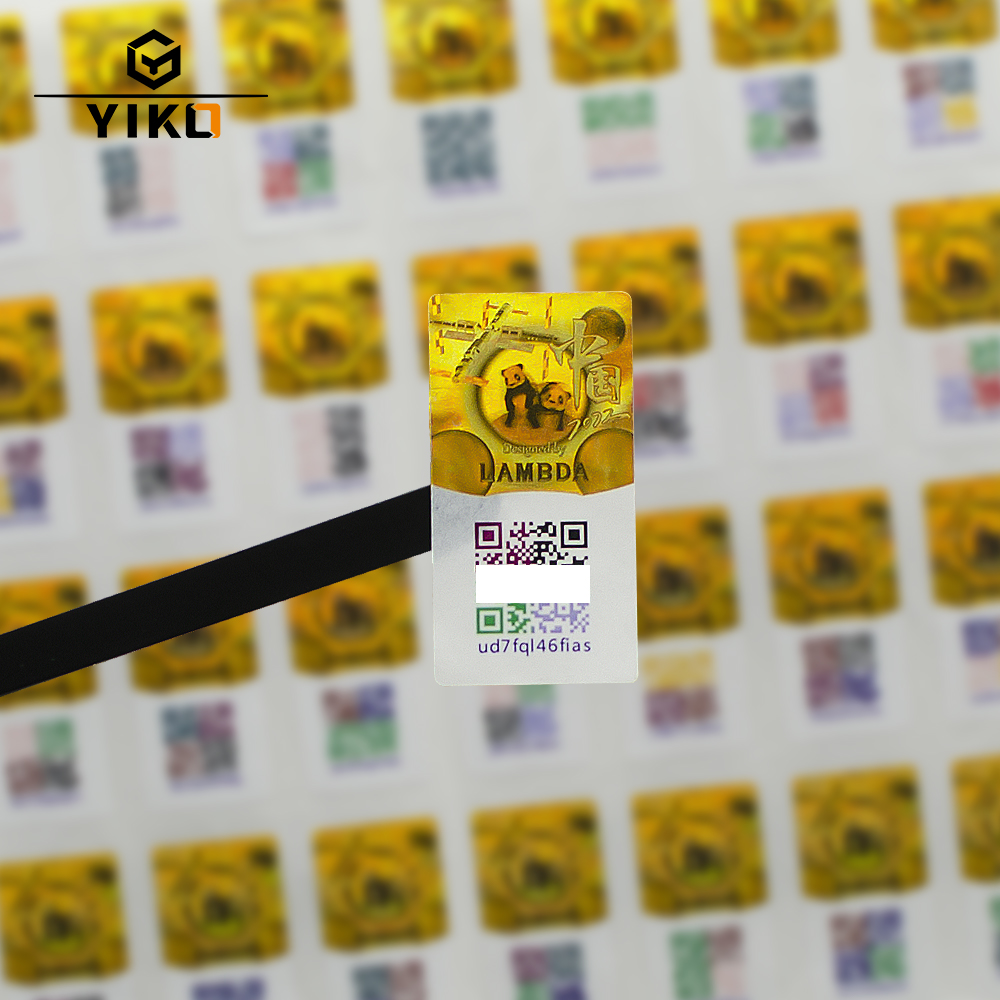
A normal scanner is unable to record Yiko's security features on its document papers. Watermarks are situated in the fiber of the paper and therefore do not appear on the surface of the paper. Because of variations in the density of the watermark, it is not seen by the scanner and can't be displayed. The same applies for holographic and optically variable labels: they must be seen from different angles to be perceived with their color shift and holographic effect. With a scanner, only a static flat angle is recorded, giving a flat color with no sense of depth or holographic element.
Embedded Elements That Scanners Miss
Document security paper does not solely utilize overprint technologies but also employs features that are embedded within the paper structure itself because they are three dimensional while scanners produce only two dimensional outputs and therefore it's not possible to reproduce a scanned embedded document security feature.
Since its launch, security threads have been integrated into Yiko's diplomas, institutional certificates, and certificates of authenticity documents. These security threads are typically embedded within the body of the document and can be observed visually across the surface, or in some cases, through a transparent window in the paper. Whilst the fine thread may be picked up by the scanner, the reflective quality and laser encoded details of the thread are not: scanner outputs cannot demonstrate their metallic shine and microprint features. Embedded fluorescent fibers within the paper do not glow, but will shine brightly under UV light; because there is nothing to scan for the fluorescence of fibers, nothing is observed through the process. Thus, only on closer examination of the real documents by viewing through the correct light, will they become observable.
Tamper Evidence That Printing Cannot Erase
It is not always that counterfeits involve creation of wholly forged documents; at other times, the objective may be to alter true ones. A forger might scan a genuine certificate of authenticity or a diploma, use a photo editing program to change the name of the holder or the relevant dates, and print the resulting document on blank paper; this method produces an acceptable substitute if ordinary document papers are employed.
Yiko's document papers employ chemically treated coatings and background printing on papers that become visible upon attempts to wipe, remove, or overprint the papers using certain chemical applications: upon solvent application it might leave a hidden message like 'VOID' or 'COPY' in the papers. In some of our security label papers, specific characteristics alter permanently in color if there is any attempt to peel off or transfer. The altered states are irreversible and irremovable and thus make it possible to identify reprinted documents readily.
Multi-Layer Optical Effects That Reproduce Poorly
Despite the growing capabilities of modern high-resolution printers, it is impossible to produce complex optical effects. Any holographic image from a printer is still a two dimensional and less dynamic rendering than a truly applied security label; photocopies cannot show a color change that varies with different angles relative to the light.
At Yiko, security features incorporate a variety of optical technologies. In a single diploma, holographic transfer labels, optically variable designs, and hot foil or embossed labels might feature in different parts of the document; these vary in appearance with viewing angles and movement. All the different dynamic security elements cannot be properly printed with modern high resolution printers, they are static and appear as flat, printed images. Just viewing the documents, any holder will realize that they should shift their documents or tilt their view on the document and see how colors change, the hologram effect of the labels changes, and the documents can easily be determined to be reprinted. Simple inspection of this kind will prevent many digital forgery attempts, without specialized training or equipment.
Microtext and Laser Coding Beyond Scanner Resolution
It has been confirmed that high resolution scanners are unable to record details below a certain scale, however clear. To address this, security paper features minutely printed or laser coded documents that go below standard scanning resolution limits.
Yiko provides its diplomas, certificates of authenticity, and institutional certificates with laser-encoded text (serial numbers, batch codes, etc.). The code itself appears as very thin lines when viewed through naked eye, but, magnified by a lens, a complete message can be seen; it simply does not exist under normal scanning. This security feature when fails to be visible under magnification suggests a potential fake. Other similar features like bar codes or QR codes may also provide connectivity to on line databases to enable verification in both physical and digital aspects.
Conclusion
Whilst digital scanners and printers have become simple enough for amateurs to successfully produce fake documents, security document paper makes them insufficient. Yiko's document paper is built on features that can't be copied digitally at all levels; from their optically encoded or embedded security features, to tamper evidence, and multiple optical impacts which printing can never accomplish. Their watermarks, security threads, optically variable and holographic labels and laser encoding all provide security. Always choose document paper which can't be scanned, when all papers are available to be scanned.