
 EN
EN
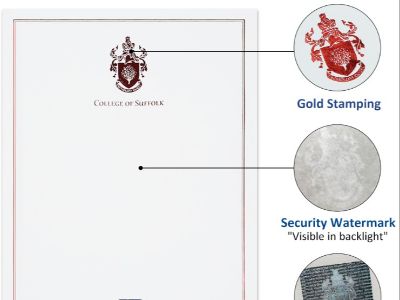
It is common practice in today’s world to verify one’s qualifications and achievements with institutional certificates. For this reason, Yiko makes sure to offer these certificates while maintaining their authenticity and security. Yiko’s institutional certificates are equipped with anti-fraud measures that prevent unauthorized alterations and prevent other forms of tampering. Utilizing anti-fraud technology is a proper way to increase security and safeguard the certification process. Embed anti-fraud technology in institutional certificates. Yiko designed its Institutional Certificate to include anti-fraud technology that ensures its authenticity and trustworthiness.
How Institutional Certificates Use Anti-Fraud Features?
One of the most common applications is the use of holographic elements which are hard to copy due to their design. Security seals and watermarks are other key anti-fraud measures as they provide a reliable visual indication of the certificate’s legitimacy. Furthermore, microtext and fine line patterns are a deterrent for counterfeiters, as they are virtually impossible to reproduce securely. The use of tamper-evident materials is another measure that can assist certificate holders in determining if the document has been accessed or altered without authorization. Decisively, Yiko’s institutional Certificate of Authenticity is fully secure and trustworthy as it utilizes all of these anti-fraud measures.
Commitment
Yiko’s utilization of advanced anti-fraud technology further underscores the company’s commitment to ensure maximal security in their institutional certificates. First, Yiko places the latest anti-frauds technology such as QR codes on all its institutional certificates. The QR codes are customizable, and hence, only authorized persons can verify them through the company’s secure database. Second, Yiko also includes RFID chips in some of the Diploma/Degree Certificate that only a specialist reader can authenticate. Using the young security technology, Yiko’s institutional certificates are among the most secure and easiest to authenticate within the shortest time.
Advantages
Anti-fraud features play a crucial role in preventing fraud and offer additional advantages, including the security and efficiency of institutional certificates. For example, a secured certificate will come with unique QR codes that the receiver can scan, or the serial number can be input to a database to confirm the authenticity of the certificate. This reduces the need to verify the document physically.
Conclusion
Similarly, the system saves the clients the hassle of counter checking the details with the institution offering it. Anti-fraud features make the certificate easy to verify, thus saving time and resources for the agency and the document users. When the anti-fraud features are secured, it will automatically verify hence eliminate any risk of confirming checked details; thus making the certificate more reliable and secure.