
 EN
EN
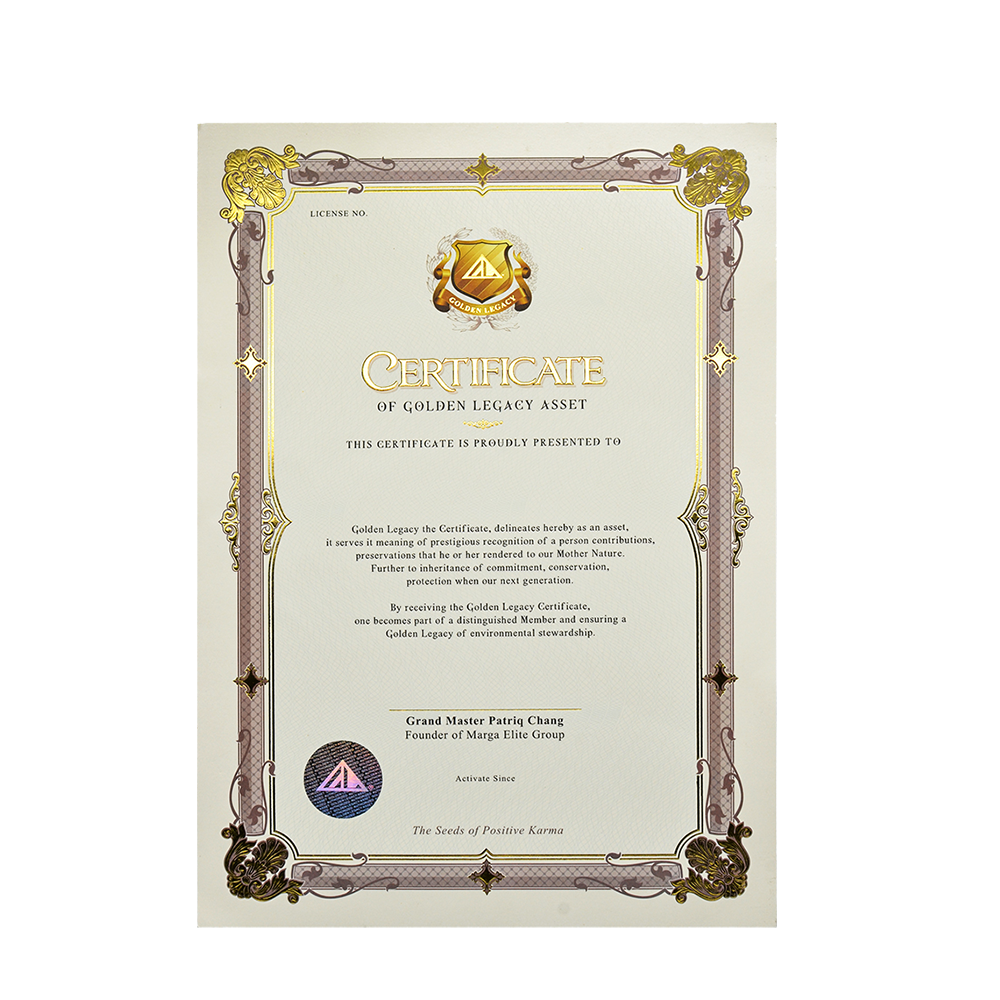
የተቋማዊ የመረጃ ምድር ማስረጃዎች የተሳሳተ ምርቶች ለሽያጭ መግባትን ለመከላከል ትልቅ ሚና ይጫወታሉ። ሰዎች ስለ ነገር የሚገዙት እሱ እውነተኛ እና ደህንነቱ የተረጋገጠ መሆኑን ማወቅ ይፈልጋሉ። እዚህ የይኮ ይገባል። እኛ የእኛ ምርቶች ከተሳሳተ ምርቶች የሚጠበቀውን ለማረጋገጥ እንረዳለን። በእነዚህ የመረጃ ምድር ማስረጃዎች እርስዎ የንግድ ተቋማት በተረጋገጠ እና በእውነተኛ ምርቶች ላይ የተመሰረተ ስለ መሆኑ ለማሳየት ይችላሉ። ይህ ማለት ፍላጎት ያላቸው ግዢያቸውን በተሻለ ሁኔታ ማድረግ ይችላሉ። ግን ንግድ ተቋማት ትክክለኛውን የመረጃ ምድር ማስረጃ ለመምረጥ ምን ማብራካት አለባቸው? እና ሰዎች በአጠቃላይ በእነዚህ የመረጃ ምድር ማስረጃዎች ላይ ምን ያህል ችግር ይፈጥራሉ? እ дав እንመልከት።
ለንግድ ፍላጎቶች ትክክለኛውን የተቋማዊ የመረጃ ምድር ማስረጃ እንዴት ማምረት እንደሚቻል
ንግድ ተቋማት ትክክለኛውን የተቋማዊ የመረጃ ምድር ማስረጃ የሚፈልጉት ግልጽ ማስተዋል አለባቸው። ይህ ማንኛውንም የመረጃ ምድር ማስረጃ ማግኘት ብቻ አይደለም፤ የሚያስፈልጋቸውን ፍላጎት የሚያሟላውን ማግኘት ነው። በመጀመሪያ ላይ ምን ያህል ምርቶች ይሸጡ የሚያወቁ አለባቸው። የተወሰኑ ምርቶች የተለየ የሚያስፈልጋቸው ሊሆኑ ይችላሉ። የእውነታ መዝገብ ደህንነታቸው የተጠበቀ መሆኑን ወይም ትክክል መሆናቸውን ለማረጋገጥ ነው። ኢኮ የተለያዩ አማራጮችን ያቀርባል፤ ስለዚህ ኩባንያዎች የተሻለውን መምረጥ ይችላሉ። ቀጥሎ ደግሞ ንግዶች ምርቶቻቸውን የሚሸጡት የት እንደሆነ መመርመር ይኖርባቸዋል። አንዳንድ አገሮች ስለ ማረጋገጫዎች ጥብቅ ደንቦች አሏቸው፤ ትክክለኛውን ማረጋገጫ ማግኘት ደግሞ በጉምሩክ በኩል በቀላሉ ለመሄድ ይረዳል። በተጨማሪም ንግዶች ስለ ደንበኞቻቸው ማሰብ አለባቸው። እውቅና ያለው የምስክር ወረቀት ለውጥ ሊያመጣ ስለሚችል እምነት እንዲፈጠር ይፈልጋሉ። ደንበኞች ከታመነ ምንጭ የተገኘ የምስክር ወረቀት ሲመለከቱ ይበልጥ ደህና ይሆናሉ። በመጨረሻም ንግዶች ወጪውን ማሰብ አለባቸው። የሽያጭ መርሃግብር ትክክለኛውን ተቋማዊ የምስክር ወረቀት መምረጥ የምርት ፍላጎቶችን፣ ገበያን እና ደንበኞችን መረዳት ነው።
ስለ ተቋማዊ የምስክር ወረቀቶችና የሐሰት ወረቀቶችን ለመከላከል የተለመዱ የተሳሳቱ አመለካከቶች
በተቋማዊ የምስክር ወረቀቶች ላይ ብዙ ያልተገባ አስተሳሰብ አለ፣ እና እነዚህን ማጽዳት በጣም አስፈላጊ ነው። የተወሰነ ሰው ሁሉ የምስክር ወረቀቶች አንድ ናቸው ይላል፣ ግን ይህ አይደለም። እያንዳንዱ የተለየ ግዜ ይሰራል። ለምሳሌ፣ የእንስሳት የፀሐይ ደህንነት ለማረጋገጥ የሚሰጠው የምስክር ወረቀት ከኤሌክትሮኒክስ ላይ የሚሰጠው የምስክር ወረቀት የተለየ ነው። ይህ የተቀላቀለ ስለ መሆኑ ንግድ ተቋማት የተሳሳተ የምስክር ወረቀት ለመምረጥ ይደረጋል፣ እና ይህ በኋላ ችግር ይፈጥራል። በተጨማሪም፣ የተወሰነ ሰው የምስክር ወረቀት አለ ማለት የተሳሳተ ምስክር ወረቀት ለመከላከል በቂ ነው ይላል። ሆኖም እንደ አንድ አማካኝ ይሠራል፣ ግን አንድ ብ alone መፍትሄ አይደለም። ንግድ ተቋማት የተጠበቀ የደህንነት ስርዓቶችን በመጠቀም እንደ የመከታተል ስርዓቶች ወይም በምርቶች ላይ የተለየ ቁጥሮች የሚያስገቡ ቁልፍ ምልክቶችን ማስተዋወቅ አለባቸው። ሌላ የተለመደ ስህተት የምስክር ወረቀት አለ ማለት ከዚያ በኋላ አንተ አያስተውልም ይላል። ግን የምስክር ወረቀቶች በየጊዜው የሚሻሹ እና የሚቆጠሩ ናቸው። ንግድ ተቋማት ከአስተዋውል ማቆም ቢጀምሩ፣ አንድ ነገር በስህተት ቢከሰቱ ችግር ይፈጥራል። ይኮ (Yiko) እነዚህን ጉዳዮች ይረዳል እና ንግድ ተቋማት እነዚህን ማስተዳደር ይረዳል። ይህ ምክንያት ነው እንዲሁም ንግድ ተቋማት እነዚህን የተሳሳተ አስተሳሰቦች ስለ ማወቅ አለባቸው እና የተሻለ የተሳሳተ ምስክር ወረቀት ለመከላከል የሚያስተዋወቅ ምርጫ ለመምረጥ አለባቸው።
እንዴት የተቋማዊ የምስክር ወረቀቶችን በመጠቀም ከዋና የግብይት ገዢዎች ጋር የውስጣዊ እምነት ማገኘት እንደሚቻል
የምርቶች ስራ ሲሆን እምነት በጣም አስፈላጊ ነው። የዋና የግብይት ገዢዎች የሚገዙትን እቃዎች እውነተኛ እና ደህንነቱ የተረጋገጠ መሆኑን ማወቅ ይፈልጋሉ። የእምነት መገንባት የሚቻለው አንድ መንገድ የተቋማዊ የምስክር ወረቀቶችን መጠቀም ነው። እነዚህ የተወሰኑ ደረጃዎችን ያሳያሉ የተወሰኑ የድርጅት የምስክር ወረቀቶች ናቸው። ለምሳሌ፣ ያይኮ ከተረliable ድርጅቶች የምስክር ወረቀቶችን ማግኘት ይችላል፣ ይህም የምርቶቻችን ከፍተኛ ጥራት እና የደህንነት ደንቦችን መከተል ያረጋገጡ ነው። እነዚህን የምስክር ወረቀቶች ከዋና የግብይት ገዢዎች ጋር ሲካፈል የምርቶቻችን ላይ እምነታቸውን ማጠበቅ ይረዳል።
እነዚህን የምስክር ወረቀቶች በተሻለ መንገድ ለመጠቀም፣ በเวብሳይታችን እና በማስተዋወቂያ እቃዎች ላይ መሳየት አለብን። በዚህ መንገድ ገዢዎች በቀጥታ የእኛ የተረጋገጠ መሆናችንን ይመስላሉ። እንዲሁም በገዢዎች ጋር የሚካሄዱ ውይይቶች ወይም ኢሜሎች ውስጥ ማስተዋወቅ ይቻላል። እንደ ጥያቄ ከጠየቀ እነዚህ የምስክር ወረቀቶች ምን ማለት እንደሚያደርጉ እና ለእነርሱ ምን ጥቅም እንደሚያስገኙ ማብራራት ይቻላል። ይህ የትብብር ሂደትን በጣም ያስቀላቀላል እና የተሻለ ግንኙነት ያገኛል።
በተጨማሪም፣ የእኛ የመስክርታ ሰነዶች ምን ያህል ሌሎች የግዢ ተጠያቂዎች በግዢዎቻቸው ውስጥ የደህንነት እና የተረጋገጠነት ስሜት እንዲሰጡ ያስተዋውቀን የሚያደርጋቸውን ታሪኮች መካፈል እንችላለን። ይህ የደንብ የሆነ የደንብ አገልግሎት ማቅረብ እንደሚፈልጉ ያሳያል እና የአዲስ የግዢ ተጠያቂዎች የይኮ ምን ያህል ምርቶች ማምረት እንዳለባቸው ያሳያል። ስለዚህ የמוסד ሰነዶች በቀላሉ የተሰጠ የመስክርታ ሰነድ ብቻ አይደሉም፤ እነሱ የግዢ ተጠያቂዎች ጋር የሚገናኙ መሣሪያዎች ናቸው እና የאיכות እና የደህንነት ጥራት ላይ የእኛ ትኩረት ያሳያሉ። በእነዚህ ፕሮፌሽናል የምስክር ወረቀት ፣ የተረጋገጠነት ስሜት እንዲጨምር እና የተጨማሪ የሙከራ የግዢ ተጠያቂዎች የእኛን ምርቶች ለመምረጥ እንዲረዳ እንችላለን።
የמוסד ሰነዶች በተሳሳተ ምርቶች ማስተዳደር ውስጥ ዋና የሆኑ ጥቅሞች ምንድን ናቸው?
የተቋማዊ የመረጃ ማስረጃዎች በእውነታ ያሉትን እቃዎች የሚመስሉ የተሳሳተ እቃዎችን ማስተዳደር ውስጥ አስፈላጊ ሚና ይጫወታሉ። አንድ ዋና ጥቅም የእውነታ ማረጋገጫ ለመሆን ነው። ለምሳሌ፣ ጄኮ እቃዎቹን ጋር የመረጃ ማስረጃ ሲሰጥ የግዢያችን ሰዎች እውነታዊ እቃዎችን እየገዙ እንደሆነ ያሳያል። ይህ የተሳሳተ እቃዎችን ለመግዛት ሰዎችን ማሳሳት የሚያስችለውን የተሳሳተ ሰዎችን ስራ ያሳፋሪዋል።
ሌላ ጥቅም የእነዚህ የሙያ ማረጋገጫ የተሰጠው ከ ኢንዲፔንደንት ቡድኖች ነው። ይህ ማለት የማረጋገጫዎቹ የሚገኙት ከ Yiko ብቻ አይደሉም፣ ከ የተመረጠ ሦስተኛ ፓርቲዎች ነው የምርቶቻችንን የሚፈትሸውና የሚረጋገጡት። ይህ ተጨማሪ የተረጋገጠ የተረጋገጠ የተረጋገጠ የተረጋገጠ የተረጋገጠ የተረጋገጠ የተረጋገጠ የተረጋገጠ የተረጋገጠ የተረጋገጠ የተረጋገጠ የተረጋገጠ የተረጋገጠ የተረጋገጠ የተረጋገጠ የተረጋገጠ የተረጋገጠ የተረጋገጠ የተረጋገጠ የተረጋገጠ የተረጋገጠ የተረጋገጠ የተረጋገጠ የተረጋገጠ የተረጋገጠ የተረጋገጠ የተረጋገጠ የተረጋገጠ የተረጋገጠ የተረጋገጠ የተረጋገጠ የተረጋገጠ የተረጋገጠ የተረጋገጠ የተረጋገጠ የተረጋገጠ የተረጋገጠ የተረጋገጠ የተረጋገጠ የተረጋገጠ የተረጋገጠ የተረጋገጠ የተረጋገጠ የተረጋገጠ የተረጋገጠ የተረጋገጠ የተረጋገጠ የተረጋገጠ የተረጋገጠ የተረጋገጠ...... ይህ ተጨማሪ አስተዋፅዕ ያደርጋል። የገዥዎች ማረጋገጫው ከ ውጭ ምንጭ የሚደገፍ መሆኑን ይውሰዳሉ። በዚህ አቀራረብ በጥምታ ደንቦችና መለኪያዎች እንከተላለን ተነግረናል። ይህ በግልጽ የאיכות ጥራት ላይ ትኩረት እንደሚደረግ እና ከ የተሳሳተ ምርቶች የደንበኞቻችንን ጥበቃ ማድረግ እንደ እንፈልጋለን ያሳያል።
በተጨማሪም፣ የስነ-ሥነዴ የማረጋገጫዎች ይኮ በሙሉ የተሞላ የገበያ ሁኔታ ውስጥ ለመለየት ምርጫ ይሰጣሉ። ገዥዎች የማረጋገጫዎቻችንን በማየት ከሌሎች ድርጅቶች ይልቅ እኛን ይምረጣሉ። ይህ የይኮ ለበለጠ ሽያጭ እና የተሻለ የስነ-ሥነዴ ስም ማስገንባት ይችላል። በመጨረሻም፣ እነዚህ የማረጋገጫዎች ከሌሎች ኩባንያዎች እና የሽያጭ ቦታዎች ጋር ስራ ማድረግን ያስቀላቀላል። በተለምዶ የሚፈልጉት ከእነዚህ ምርቶች እውነተኛ እና የተደበቀ መሆናቸውን የሚያረጋግጡ ድርጅቶች ጋር ስራ ማድረግ ነው። በስነ-ሥነዴ የማረጋገጫዎች አካትታችን በመያዝ የንግድ ልማታችንን የሚያስፋል አዲስ እድሎችን እና የተዋሃድ አቅጣጫዎችን ማክፈል እንችላለን።
የሐሰት ወረቀቶችን በመከላከል ረገድ የተለመዱ የሥነ-ሥርዓት የምስክር ወረቀቶችን ችግሮች እንዴት መፍታት ይቻላል?
ተቋማዊ የምስክር ወረቀቶች ጠቃሚ ቢሆኑም ለፀረ-ሐሰተኛ ስራዎች እነሱን በመጠቀም ፈታኝ ሁኔታዎች ሊኖሩ ይችላሉ ። አንድ የተለመደ ጉዳይ ለምርቶቻችን የትኛው የምስክር ወረቀት የተሻለ እንደሆነ ማወቅ ነው ። ሁሉም የምስክር ወረቀቶች እኩል አይደሉም፣ እናም ለያኮ ለኢንዱስትሪያችን እና ለምርታችን ዓይነት የሚስማሙ ትክክለኛዎቹን መምረጥ አስፈላጊ ነው። ይህንን ለመቋቋም በዘርፉ በጣም የተከበሩ የምስክር ወረቀቶችን መፈለግ እና መፈለግ አለብን ። ከባለሙያዎች ጋር መነጋገርም ስለ ምርጥ አማራጮች ለማወቅ ይረዳል።
ሌላው ጉዳይ ደግሞ እነዚህን ለማግኘት የሚወጣው ወጪ ነው። የማረጋገጫ ማተሚያ " የሚል ጥያቄ አቅርበዋል። የሽፋኑ ርዕሰ ጉዳይ ይሁን እንጂ እንደ ኢንቨስትመንት ልንመለከተው ይገባል። ጥሩ የምስክር ወረቀቶች ላይ ገንዘብ በማውጣት በሐሰተኛ ወረቀቶች ምክንያት ከሚመጣ ኪሳራ መቆጠብ እንችላለን። የሐሰት ምርቶች የምርት ስማችንን የሚጎዱ ከሆነ የምስክር ወረቀቱ ከሚያስከፍለው በላይ ሽያጮችን ልናጣ እንችላለን።
በመጨረሻ፣ የምስክሮችን አዳዲስ ማድረግ የሚያስቸግር ሊሆን ይችላል። አንዳንዶቹ የውጭ ቀኖች አሉት እና በየወሩ አዳዲስ መሆን ያስፈልጋል። የኢኮ ስርዓት ይህንን ቀን ለመከታተል ያለበት ነው እንዲሁም አንድ የእኛ ምስክር በስህተት የሚያልቅ አይደለም። ይህ ማለት የማሳሰቢያ ስርዓት ማዘጋጀት ወይም የቡድን አባላት ለመፈተሽ እና ለአዳዲስ ማድረግ ነው። በእነዚህ ጉዳዮች ላይ በቅድሚያ በማስተዋል የኢኮ ተቋማዊ ምስክሮችን በተመጣጣኝ መልኩ ለመከላከል እና ለገዢዎች ጥራዝ ማቆየት ይችላል።
የማውጫ ጠረጴዛ
- ለንግድ ፍላጎቶች ትክክለኛውን የተቋማዊ የመረጃ ምድር ማስረጃ እንዴት ማምረት እንደሚቻል
- ስለ ተቋማዊ የምስክር ወረቀቶችና የሐሰት ወረቀቶችን ለመከላከል የተለመዱ የተሳሳቱ አመለካከቶች
- እንዴት የተቋማዊ የምስክር ወረቀቶችን በመጠቀም ከዋና የግብይት ገዢዎች ጋር የውስጣዊ እምነት ማገኘት እንደሚቻል
- የמוסד ሰነዶች በተሳሳተ ምርቶች ማስተዳደር ውስጥ ዋና የሆኑ ጥቅሞች ምንድን ናቸው?
- የሐሰት ወረቀቶችን በመከላከል ረገድ የተለመዱ የሥነ-ሥርዓት የምስክር ወረቀቶችን ችግሮች እንዴት መፍታት ይቻላል?